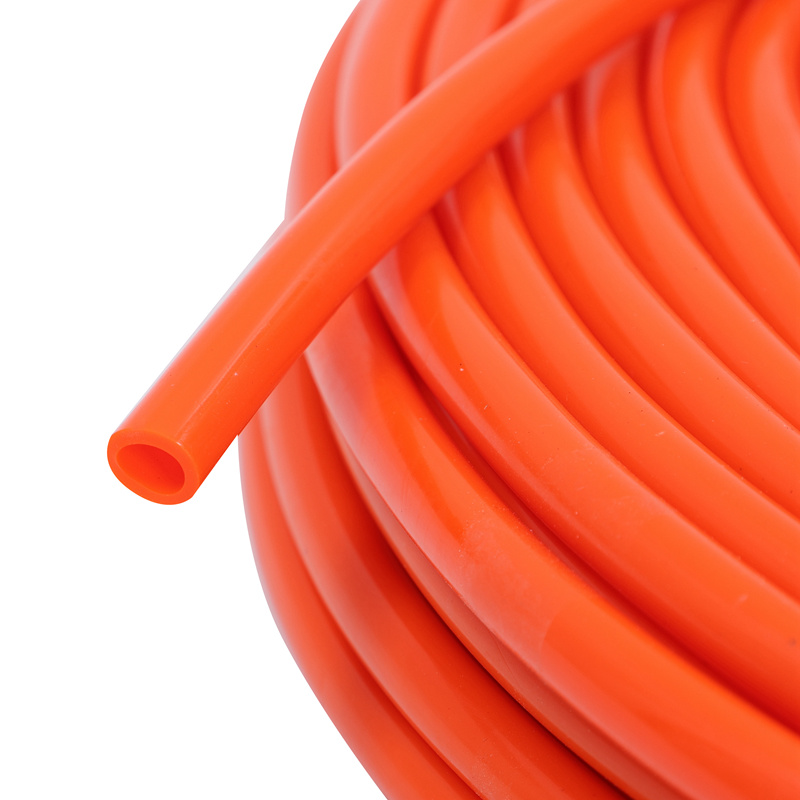
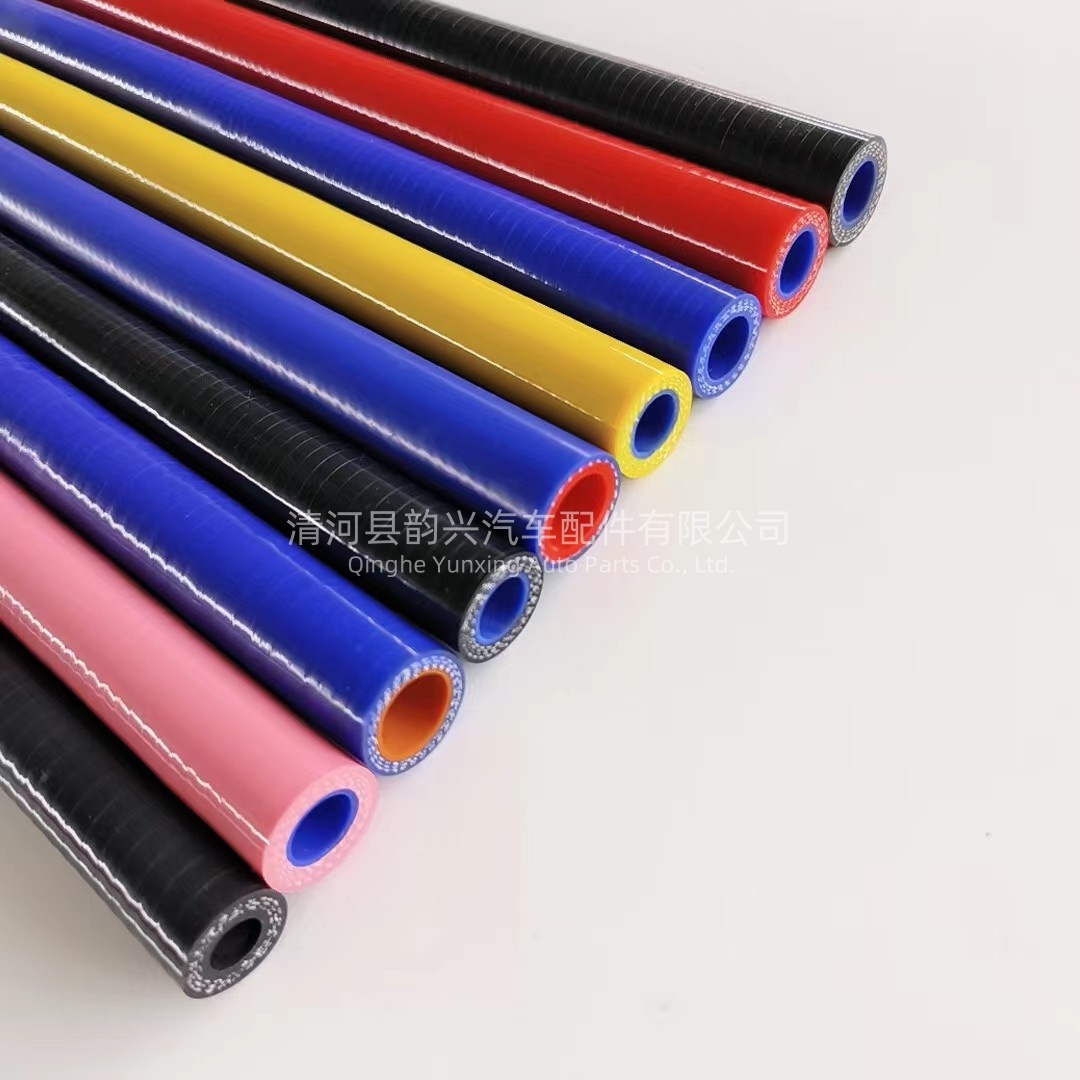
Automobile pipelines are mainly composed of rubber pipes and metal pipes.It is responsible for the transmission of oil, water, antifreeze, gas and liquid pressure.Among them, there are the largest types of rubber pipes, which are the main components of automobiles.Compared with metal pipes, automobile hoses are soft, have single prefabricated parts, and have changeable shapes; therefore, rubber pipes are mostly used for cooling, air conditioning, and power turn signals.
The main materials of automotive hoses are generally EPDM rubber, nitrile oil-resistant rubber, neoprene rubber, fluorine rubber, EPDM rubber, etc.; Automotive hoses require a wide range of ambient temperature; from -40 to +120, it should be able to be used normally, corrosion-resistant and aging-resistant.At the same time, it also has a certain hardness and tensile strength.
Although the structure of automobile hoses for different purposes is different, they are generally divided into three parts: the inner layer, the intermediate reinforcing layer and the outer layer.The inner layer is the layer where the hose is in direct contact with the conveying medium, which plays a role in diversion and sealing.The inner layer should have a certain thickness, temperature resistance and corrosion resistance.The reinforcing layer is the pressurized part of the hose, which has considerable support strength; it can protect the structure of the hose and increase the pressure resistance; the outer layer is the protective layer of the hose, which plays a defensive role.It should have a certain thickness, temperature resistance, corrosion resistance, friction resistance, aging resistance, etc.